Thinking about CRM software cost? You’re not alone. Businesses worldwide are trying to balance powerful features with budget limits—and the truth might surprise you.
Understanding CRM Software Cost: What You’re Really Paying For

When you hear “CRM software cost,” it’s easy to assume it’s just a monthly subscription fee. But the reality is far more complex. The true cost of a CRM system includes not only licensing but also implementation, training, customization, integration, and ongoing support. Understanding these components is essential to avoid budget overruns and ensure long-term success.
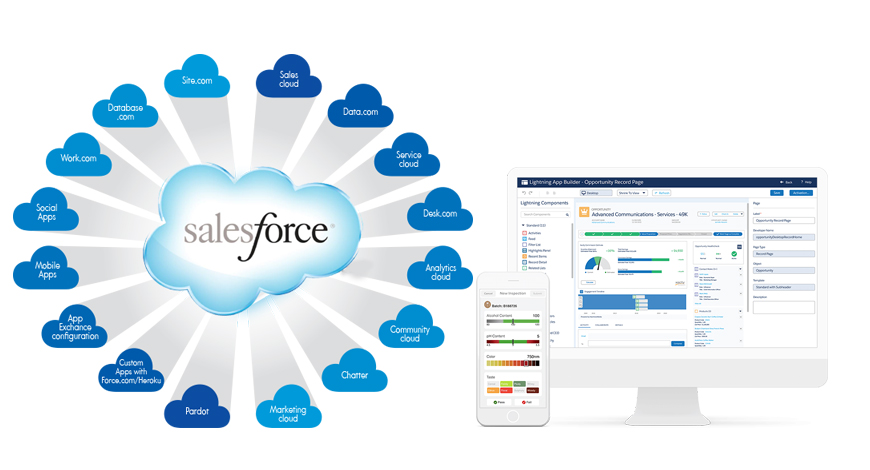

Licensing Fees: The Most Visible Part of CRM Software Cost
Licensing is usually the first cost that comes to mind. Vendors typically offer tiered pricing based on features, number of users, and deployment type (cloud vs. on-premise). For example, entry-level plans from platforms like Zoho CRM start as low as $14/user/month, while enterprise solutions like Salesforce Sales Cloud can exceed $300/user/month.
- Per-user pricing is common but can escalate quickly with team growth.
- Per-feature pricing allows scalability but may limit access to advanced tools.
- Some vendors offer flat-rate pricing for small teams, which can be cost-effective.
Implementation and Setup Costs
Implementation is often underestimated. Migrating data, configuring workflows, and integrating with existing systems (like email, marketing automation, or ERP) require time and expertise. For complex CRMs, professional services from the vendor or third-party consultants can cost thousands—or even tens of thousands—of dollars.
- Simple cloud CRMs may take days to set up.
- Enterprise deployments can take months and require dedicated project managers.
- Hidden costs include data cleansing and legacy system compatibility fixes.
Training and Adoption Expenses
A CRM is only as good as its users. Poor adoption rates are one of the top reasons CRM projects fail. Training costs—whether through formal courses, internal workshops, or hiring trainers—must be factored into the total CRM software cost.
- Onboarding new employees requires recurring training investment.
- Advanced features often need specialized training sessions.
- Low user adoption can render even the most expensive CRM ineffective.
“The biggest mistake companies make is focusing only on the sticker price. The real CRM software cost includes time, effort, and opportunity cost.” — Gartner Research, 2024
Types of CRM Systems and Their Cost Implications
Not all CRMs are created equal. The type of CRM you choose directly impacts your overall CRM software cost. From open-source platforms to fully managed enterprise suites, each has unique financial implications.
Cloud-Based CRM: Affordable Entry, Scalable Growth
Cloud CRM solutions dominate the market due to their low upfront costs and ease of deployment. Providers like HubSpot, Zoho, and Salesforce host the software, handle updates, and manage security.
- Pay-as-you-go models reduce initial investment.
- Automatic updates eliminate maintenance costs.
- Bandwidth and internet reliability become operational dependencies.
On-Premise CRM: High Upfront, Long-Term Control
On-premise CRM systems require purchasing licenses, setting up servers, and maintaining IT infrastructure. While less common today, they’re still used by large enterprises needing full data control.
- Initial costs include hardware, software licenses, and installation.
- Ongoing expenses cover IT staff, server maintenance, and upgrades.
- Long-term TCO (Total Cost of Ownership) can exceed cloud options.
Open-Source CRM: Low Cost, High Effort
Open-source platforms like SuiteCRM or Odoo offer free access to source code. However, “free” doesn’t mean low cost. Customization, hosting, and support often require significant technical resources.
- No licensing fees, but hosting and development add up.
- Ideal for tech-savvy teams with in-house developers.
- Support relies on community forums or paid consultants.
Hidden Costs in CRM Software Cost You Must Know
The advertised price is rarely the final price. Hidden costs can inflate your CRM software cost by 200% or more if not anticipated. These are often overlooked during the decision-making phase.
Customization and Integration Fees
Every business has unique workflows. Customizing a CRM to match your sales process, branding, or reporting needs often requires developer hours or third-party tools.
- API integrations with tools like Slack, Mailchimp, or QuickBooks add complexity.
- Custom dashboards and automation rules increase development time.
- Some vendors charge premium fees for advanced customization.
Data Migration Challenges
Moving data from spreadsheets, legacy systems, or outdated CRMs is more than a copy-paste job. Inconsistent formatting, duplicate entries, and missing fields require cleanup before import.
- Manual data entry is time-consuming and error-prone.
- Automated migration tools may require additional licensing.
- Poor data quality undermines CRM effectiveness from day one.
Ongoing Maintenance and Support
Even cloud CRMs need maintenance. This includes user management, security updates, performance monitoring, and troubleshooting.
- Internal IT teams spend 10–20 hours/month managing CRM health.
- Vendor support plans range from basic (free) to premium (thousands annually).
- Unplanned downtime can cost thousands in lost productivity.
“We saved $50K on licensing but spent $120K on consultants and training. The real CRM software cost wasn’t in the subscription—it was in the execution.” — CIO, Mid-Sized Manufacturing Firm
CRM Software Cost by Vendor: A Comparative Breakdown
Let’s compare real-world CRM software cost across top vendors. Prices vary based on plan, user count, and region, but this gives a clear picture of what to expect.
Salesforce: The Enterprise Leader (and Its Price Tag)
Salesforce is the gold standard for enterprise CRM, but it comes at a premium. Plans start at $25/user/month for Essentials and go up to $360/user/month for Unlimited.
- Essentials: $25/user/month – basic sales and support features.
- Professional: $80/user/month – workflow automation, email integration.
- Enterprise: $165/user/month – advanced customization, API access.
- Unlimited: $360/user/month – 24/7 support, sandbox environments.
Add-ons like Einstein AI or Marketing Cloud can double the cost. Implementation for mid-sized companies often exceeds $50,000.
HubSpot CRM: Free to Start, Expensive to Scale
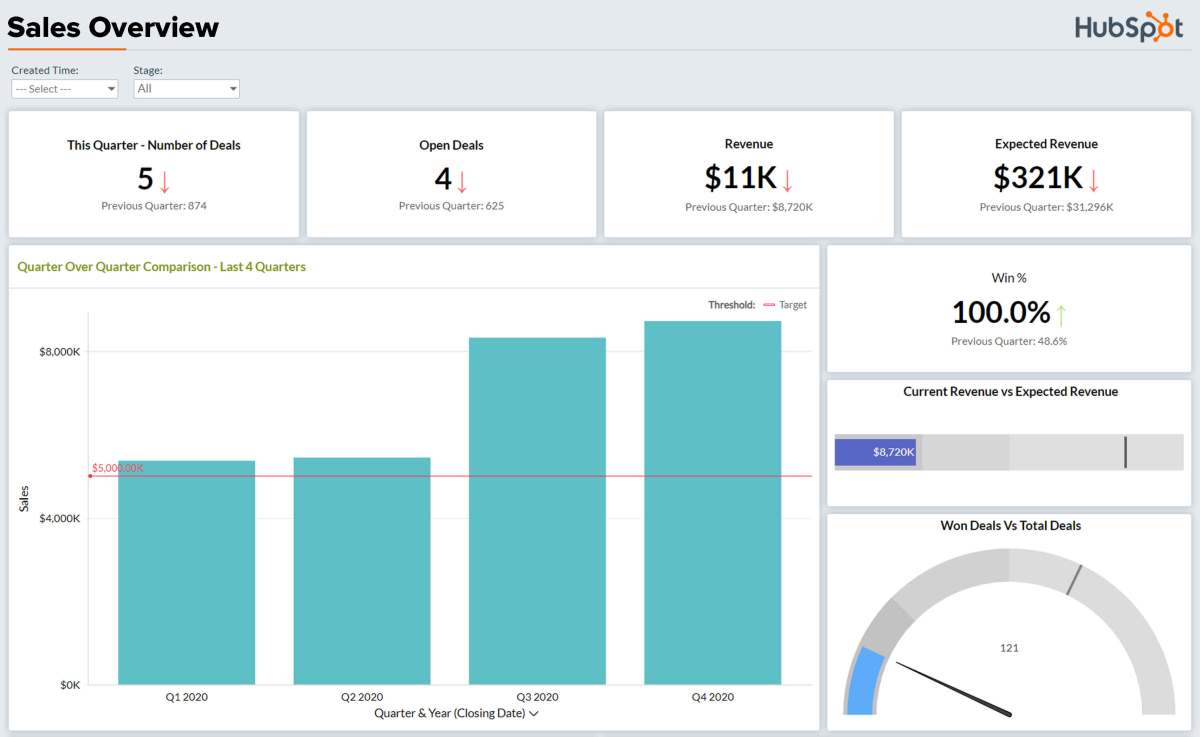
HubSpot offers a powerful free plan, making it attractive for startups. But as you scale, costs rise quickly with paid tiers.
- Free Plan: $0 – contact management, email tracking, basic reporting.
- Starter: $50/month (billed annually) – limited sales and marketing tools.
- Professional: $800/month (billed annually) – full CRM, automation, analytics.
- Enterprise: $3,200/month (billed annually) – advanced AI, custom objects.
While the CRM software cost seems low initially, the Professional and Enterprise tiers are among the most expensive on the market.
Microsoft Dynamics 365: Integration Power at a Premium
Dynamics 365 integrates seamlessly with Microsoft 365, making it ideal for organizations already in the Microsoft ecosystem.
- Sales Professional: $65/user/month – lead and opportunity management.
- Customer Service: $95/user/month – case management, knowledge base.
- Enterprise Plan: Custom pricing – scalable for large deployments.
Implementation costs are high due to complexity, often requiring certified partners. Total CRM software cost can exceed $100,000 for mid-sized firms.
How to Reduce CRM Software Cost Without Sacrificing Value
You don’t need to spend a fortune to get a powerful CRM. Strategic planning can significantly reduce CRM software cost while maximizing ROI.
Start Small and Scale Gradually
Begin with a basic plan that covers core needs. As your team grows and processes mature, upgrade incrementally.
- Use free tiers to test usability and adoption.
- Avoid overbuying features you won’t use in the first 6–12 months.
- Monitor usage analytics to justify upgrades.
Negotiate with Vendors
Most CRM vendors are open to negotiation, especially for annual contracts or bulk user licenses.
- Ask for discounts on multi-year commitments.
- Request free training or extended trials.
- Leverage competitor pricing as leverage.
Optimize Internal Resources
Use in-house talent to reduce reliance on paid consultants.
- Train super-users to become internal champions.
- Use vendor-provided templates and guides.
- Leverage community forums and knowledge bases.
“The most cost-effective CRM is the one your team actually uses. Simplicity often beats complexity.” — Forbes Technology Council
CRM Software Cost for Small vs. Large Businesses
Size matters when it comes to CRM software cost. Small businesses and large enterprises have vastly different needs, budgets, and deployment strategies.
Small Businesses: Budget-Friendly Options That Work
For small teams (1–50 users), affordability and ease of use are critical. Many vendors offer tailored solutions.
- Zoho CRM: $14–$52/user/month – ideal for startups and SMBs.
- Insightly: $29–$99/user/month – strong project and contact management.
- Pipedrive: $14.90–$99/user/month – sales-focused with intuitive UI.
Implementation costs are lower due to simpler workflows, and many platforms offer self-service onboarding.
Large Enterprises: Total Cost of Ownership Matters
Enterprises need scalability, security, and deep integration. The CRM software cost here is not just financial but also operational.
- Custom development and API usage drive up costs.
- Global deployments require multi-language and multi-currency support.
- Compliance (GDPR, HIPAA) adds legal and technical overhead.
For large organizations, the focus shifts from monthly fees to long-term TCO and ROI.
Future Trends Impacting CRM Software Cost
The CRM landscape is evolving. Emerging technologies and market shifts are reshaping how we think about CRM software cost.
AI and Automation: Cost Saver or Cost Driver?
AI-powered features like predictive lead scoring, chatbots, and automated data entry are becoming standard. While they boost productivity, they also increase pricing tiers.
- Salesforce Einstein adds $50+/user/month.
- HubSpot’s AI tools are bundled in Enterprise plans.
- Long-term, AI reduces manual labor costs, offsetting subscription increases.
Vertical-Specific CRMs: Premium Pricing for Niche Needs
Industry-specific CRMs (e.g., real estate, healthcare, legal) offer tailored workflows but at higher prices.
- Real estate CRMs like Follow Up Boss: $79–$149/month.
- Healthcare CRMs with HIPAA compliance: $100+/user/month.
- Higher cost justified by regulatory compliance and specialized features.
Subscription Fatigue and the Rise of Flat-Rate Pricing
As businesses juggle multiple SaaS tools, subscription fatigue is real. Some vendors are responding with flat-rate pricing.
- Lessonly by Seismic offers flat pricing for training CRM.
- Some startups offer unlimited users for a fixed monthly fee.
- This model benefits growing teams but may limit feature access.
What is the average CRM software cost for a small business?
The average CRM software cost for a small business ranges from $12 to $100 per user per month. Entry-level plans from Zoho, HubSpot, and Pipedrive start as low as $14/user/month, while more advanced tools like Salesforce or Dynamics 365 can exceed $100/user/month. Implementation and training can add $2,000–$10,000 depending on complexity.
Are there any truly free CRM software options?
Yes, several CRM platforms offer free plans with robust features. HubSpot CRM, Zoho CRM, and Insightly provide free tiers that include contact management, email tracking, and basic reporting. However, advanced features like automation, phone support, or custom reporting usually require upgrading to paid plans.
How can I calculate the total CRM software cost?
To calculate total CRM software cost, consider: (1) Licensing fees (monthly/annual), (2) Implementation and setup, (3) Data migration, (4) Training, (5) Customization and integration, (6) Ongoing support and maintenance, and (7) Opportunity cost of low adoption. Use a TCO calculator or consult with vendors for accurate estimates.
Does CRM software cost include support?
Basic support is often included in subscription fees, especially for cloud CRMs. However, premium support (24/7 access, dedicated account managers, faster response times) usually requires an additional fee. On-premise solutions may charge separately for maintenance and updates.
Can I negotiate CRM software pricing?
Yes, most CRM vendors are open to negotiation, especially for annual contracts, multi-year commitments, or bulk user licenses. You can often secure discounts, free training, or extended trial periods by asking. Working with a reseller or partner can also unlock better deals.
Understanding CRM software cost goes far beyond the monthly subscription. From hidden implementation fees to long-term maintenance and user adoption, every factor plays a role in your total investment. By evaluating licensing models, comparing vendors, and planning for hidden costs, you can choose a CRM that delivers real value without breaking the bank. The key is to look beyond the price tag and focus on long-term ROI, scalability, and team adoption. Whether you’re a startup or a global enterprise, the right CRM strategy can transform your customer relationships—and your bottom line.
Further Reading:
