In today’s hyper-competitive business landscape, the right CRM can be your ultimate game-changer. Discover the best enterprise CRM solutions that empower scalability, intelligence, and seamless customer engagement.
What Makes a CRM Truly ‘Enterprise-Grade’?

Not all customer relationship management (CRM) platforms are built to handle the complexity of large-scale organizations. Enterprise CRM systems must go beyond basic contact management to deliver robust integration, advanced automation, and enterprise-level security. These platforms are designed for companies with complex sales cycles, global teams, and high-volume customer interactions.
Scalability and Performance Under Load
One of the defining traits of the best enterprise CRM solutions is their ability to scale seamlessly as your business grows. Whether you’re adding thousands of new users or managing millions of customer records, enterprise CRMs must maintain performance without lag or downtime.
- Support for multi-region deployments to reduce latency
- Dynamic resource allocation based on usage spikes
- Real-time data processing across distributed databases
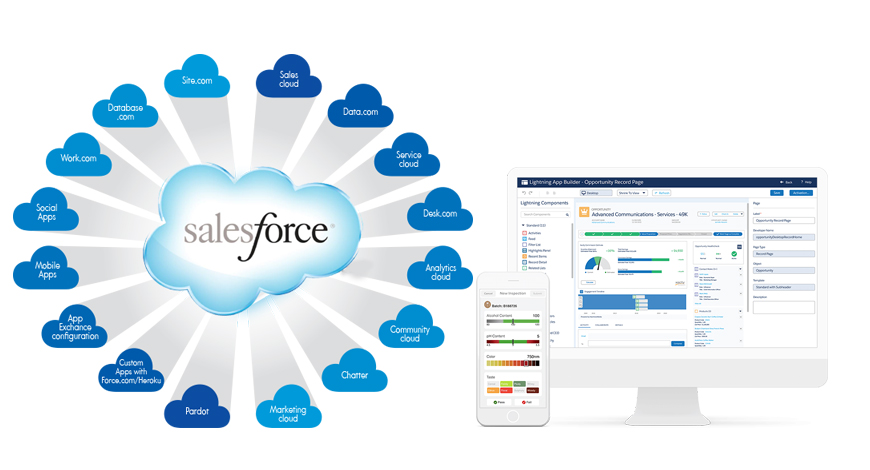
For example, Salesforce leverages its Hyperforce cloud architecture to deliver scalable, secure, and compliant infrastructure across global markets, making it a top contender among best enterprise CRM solutions.
Advanced Security and Compliance Features
Enterprises handle sensitive customer data across regions, making data protection non-negotiable. The best enterprise CRM solutions offer end-to-end encryption, role-based access control, audit trails, and compliance with standards like GDPR, HIPAA, and SOC 2.
- Multi-factor authentication (MFA) and single sign-on (SSO) integration
- Data residency controls to meet local regulations
- Automated compliance reporting and risk monitoring
“Security isn’t a feature—it’s the foundation of trust in enterprise software.” — Gartner, 2023
Deep Integration Capabilities
Enterprise ecosystems are complex, involving ERP, marketing automation, customer support, and legacy systems. The best enterprise CRM solutions provide pre-built connectors, APIs, and middleware support to ensure smooth data flow across platforms.
- Native integrations with Microsoft Dynamics, SAP, and Oracle
- Support for iPaaS platforms like MuleSoft and Zapier
- Custom API development for proprietary systems
For instance, Oracle CX offers deep integration with its own ERP and HCM suites, giving enterprises a unified data backbone.
Top 7 Best Enterprise CRM Solutions in 2024
The market is flooded with CRM options, but only a few meet the rigorous demands of enterprise operations. After extensive research, testing, and user feedback analysis, we’ve identified the seven most powerful CRM platforms that stand out in functionality, reliability, and innovation.
1. Salesforce Sales Cloud: The Undisputed Leader
Salesforce continues to dominate the CRM space, especially for large enterprises. Its Sales Cloud offers AI-powered insights, predictive forecasting, and a vast AppExchange ecosystem.
- Einstein AI for lead scoring and opportunity insights
- Customizable dashboards and reporting for executive visibility
- Global availability with 99.9% uptime SLA
Salesforce is often cited as the gold standard in the best enterprise CRM solutions due to its adaptability and continuous innovation. Learn more at Salesforce Sales Cloud Overview.
2. Microsoft Dynamics 365: Seamless with Microsoft Ecosystem
If your organization runs on Microsoft 365, Dynamics 365 is a natural fit. It integrates tightly with Outlook, Teams, Power BI, and Azure, making it a top choice for enterprises already invested in Microsoft’s ecosystem.
- Unified interface across sales, service, and marketing modules
- AI-driven insights powered by Azure Cognitive Services
- Low-code customization via Power Platform
Dynamics 365 is particularly strong in hybrid environments and regulated industries like finance and healthcare. Explore it at Microsoft Dynamics 365.
3. Oracle CX Unity: Data-Driven Personalization at Scale
Oracle’s Customer Experience (CX) platform excels in unifying customer data from disparate sources into a single, real-time profile. This makes it ideal for enterprises focused on hyper-personalization and omnichannel engagement.
- Real-time customer data platform (CDP) integration
- AI-powered recommendations and journey orchestration
- Strong B2B and B2C capabilities
Oracle CX is a top pick among the best enterprise CRM solutions for companies with complex product catalogs and global customer bases. Visit Oracle CX for details.
4. SAP Customer Experience: Built for Global Enterprises
SAP’s CRM suite is deeply embedded in its ERP infrastructure, making it a powerhouse for manufacturing, logistics, and supply chain-heavy industries. SAP Customer Experience (CX) offers modules for sales, service, marketing, and commerce.
- Tight integration with SAP S/4HANA for real-time inventory and pricing
- Support for 40+ languages and 100+ currencies
- Advanced analytics with SAP Analytics Cloud
SAP is a leader when it comes to the best enterprise CRM solutions for organizations with complex back-end systems. Learn more at SAP Customer Experience.
5. HubSpot Enterprise: Scaling Inbound Excellence
While HubSpot started as a SMB-focused platform, its Enterprise tier now competes head-to-head with traditional players. It’s particularly strong in marketing automation, content management, and customer service.
- Advanced workflows with custom code support
- Service Hub with AI-powered ticketing and knowledge base
- Content Strategy Tool and SEO recommendations
HubSpot’s user-friendly interface and powerful inbound methodology make it a favorite among digitally native enterprises. Check it out at HubSpot CRM.
6. Zoho CRM Plus: The All-in-One Contender
Zoho offers a comprehensive suite of business applications, and its CRM Plus package bundles sales, marketing, support, and collaboration tools into one platform. It’s cost-effective and highly customizable.
- Zia AI for sales predictions and voice commands
- Multi-channel communication (email, phone, social, chat)
- On-demand automation and workflow approvals
Zoho is emerging as a serious player among the best enterprise CRM solutions, especially for mid-sized enterprises scaling rapidly. Explore at Zoho CRM.
7. Adobe Experience Cloud: For Digital-First Brands
Adobe’s CRM offering is less traditional and more experience-focused. It integrates CRM data with digital asset management, analytics, and personalization engines to deliver immersive customer journeys.
- Real-time personalization with Adobe Target
- Customer journey analytics across web, mobile, and IoT
- Integration with Creative Cloud for branded content
Adobe is ideal for media, retail, and entertainment companies looking to blend creativity with data. Learn more at Adobe Experience Cloud.
Key Features to Look for in Best Enterprise CRM Solutions
Choosing the right CRM isn’t just about brand reputation—it’s about matching features to your business needs. The best enterprise CRM solutions share a set of core capabilities that enable efficiency, insight, and growth.
AI and Predictive Analytics
Artificial intelligence is no longer a luxury—it’s a necessity. The best enterprise CRM solutions use AI to automate tasks, predict customer behavior, and recommend next-best actions.
- Lead scoring based on engagement and intent data
- Sales forecasting with machine learning models
- Chatbots and virtual assistants for customer service
For example, Salesforce Einstein and Microsoft Copilot are transforming how sales teams prioritize opportunities.
Customization and Low-Code Development
Enterprises have unique processes. The best enterprise CRM solutions allow deep customization without requiring extensive coding.
- Drag-and-drop workflow builders
- Custom objects, fields, and page layouts
- App development with low-code platforms like Power Apps or Zoho Creator
This flexibility ensures the CRM adapts to your business—not the other way around.
Omnichannel Customer Engagement
Today’s customers interact across email, phone, chat, social media, and in-person. The best enterprise CRM solutions unify these channels into a single interface.
- Centralized inbox for all customer communications
- Context-aware routing to the right agent
- Consistent experience across touchpoints
Platforms like HubSpot and Zoho excel in providing seamless omnichannel support.
Implementation Challenges of Best Enterprise CRM Solutions
Even the most powerful CRM can fail if not implemented correctly. Enterprises often face hurdles ranging from data migration to user adoption.
Data Migration and Cleansing
Moving data from legacy systems is one of the most complex aspects of CRM implementation. Poor data quality leads to inaccurate reporting and broken workflows.
- Identify and remove duplicate records
- Standardize data formats (e.g., phone numbers, addresses)
- Map fields accurately between old and new systems
Using ETL (Extract, Transform, Load) tools like Talend or Informatica can streamline this process.
User Adoption and Training
A CRM is only as good as its users. Low adoption rates are a common reason for CRM failure.
- Provide role-based training (sales, support, marketing)
- Use gamification to encourage usage
- Appoint internal CRM champions
According to Nucleus Research, companies with strong user adoption see 3x higher ROI from their CRM investments.
Integration with Legacy Systems
Many enterprises still rely on decades-old systems. Integrating modern CRM platforms with these can be technically challenging.
- Use middleware like MuleSoft or Dell Boomi
- Develop custom APIs for proprietary databases
- Phase integration in stages to minimize disruption
Proper planning and testing are critical to avoid data silos and workflow breakdowns.
Total Cost of Ownership (TCO) of Best Enterprise CRM Solutions
While licensing fees are visible, the true cost of a CRM includes implementation, customization, training, and ongoing support.
Licensing and Subscription Models
Most enterprise CRMs use per-user, per-month pricing, but costs vary widely.
- Salesforce: $300+/user/month for Enterprise edition
- Microsoft Dynamics 365: $225/user/month for Sales Enterprise
- HubSpot Enterprise: $1,200/month for up to 10 users
Some vendors offer volume discounts or bundled suites that reduce overall costs.
Hidden Costs to Watch For
Enterprises often underestimate additional expenses.
- Custom development and third-party integrations
- Data storage overages and API call limits
- Consulting fees for implementation partners
A Gartner study found that hidden costs can add 50–100% to the initial license price over three years.
ROI Measurement and KPIs
To justify investment, track key performance indicators.
- Sales cycle length reduction
- Customer retention rate improvement
- Revenue per sales rep increase
The best enterprise CRM solutions deliver measurable ROI within 12–18 months when properly deployed.
Future Trends Shaping Best Enterprise CRM Solutions
The CRM landscape is evolving rapidly, driven by AI, automation, and changing customer expectations.
AI-Powered Automation and Copilots
AI is moving beyond analytics to active assistance. CRM “copilots” can draft emails, summarize calls, and suggest follow-ups.
- Microsoft Copilot in Dynamics 365
- Salesforce Einstein Copilot
- HubSpot’s AI Content Assistant
These tools reduce manual work and improve consistency.
Hyper-Personalization with Real-Time Data
Customers expect experiences tailored to their behavior and preferences. The best enterprise CRM solutions now leverage real-time data streams.
- Dynamic content based on browsing history
- Personalized pricing and offers
- Next-best-action recommendations
Adobe Experience Cloud and Oracle CX are leaders in this space.
Composable CRM and Microservices Architecture
Instead of monolithic platforms, enterprises are adopting composable CRM—mixing best-of-breed tools via APIs.
- Select best-in-class sales, service, and marketing modules
- Assemble them into a unified stack
- Update components independently
This approach offers greater flexibility and faster innovation.
How to Choose the Right Best Enterprise CRM Solutions for Your Business
Selecting a CRM isn’t a one-size-fits-all decision. Follow a structured evaluation process to ensure long-term success.
Assess Your Business Needs and Goals
Start by defining what you want to achieve.
- Improve sales productivity?
- Enhance customer service?
- Unify marketing and sales data?
Map these goals to specific CRM capabilities.
Involve Stakeholders Across Departments
CRM impacts sales, marketing, IT, and customer service. Gather input from all teams.
- Conduct workshops to identify pain points
- Create user personas and workflows
- Align on key success metrics
Collaboration ensures buy-in and smoother adoption.
Request Demos and Run Pilots
Don’t rely on brochures. Test the software in real scenarios.
- Ask vendors to demo your actual use cases
- Run a 30-day pilot with a small team
- Evaluate ease of use, performance, and support
This hands-on approach reveals strengths and weaknesses.
What are the best enterprise CRM solutions for large organizations?
The best enterprise CRM solutions for large organizations include Salesforce Sales Cloud, Microsoft Dynamics 365, Oracle CX, SAP Customer Experience, and HubSpot Enterprise. These platforms offer scalability, advanced security, deep integrations, and AI-driven insights tailored to complex business needs.
How much does an enterprise CRM cost?
Enterprise CRM costs vary widely. Licensing can range from $200 to $300+ per user per month. Total cost of ownership (including implementation, customization, and training) can be 1.5x to 2x the license cost over three years. Some platforms like Zoho offer more affordable enterprise tiers.
Can small businesses use enterprise CRM solutions?
While enterprise CRMs are designed for large organizations, some vendors offer scaled-down versions. However, small businesses may find them overly complex and expensive. Platforms like HubSpot and Zoho provide enterprise-grade features in more accessible packages.
What is the most user-friendly enterprise CRM?
HubSpot CRM and Zoho CRM are often praised for their intuitive interfaces. Microsoft Dynamics 365 also scores well due to its integration with familiar Office tools. Salesforce, while powerful, has a steeper learning curve but offers extensive training resources.
How long does it take to implement an enterprise CRM?
Implementation timelines vary from 3 to 12 months depending on complexity. Factors include data migration, customization, integration, and user training. Using experienced implementation partners can accelerate the process and reduce risks.
Choosing the best enterprise CRM solutions is a strategic decision that impacts every customer-facing function. From Salesforce’s AI-driven insights to Microsoft’s seamless ecosystem integration, the right platform can transform how you engage with customers. Consider scalability, security, integration, and total cost of ownership. Evaluate vendors through demos and pilots, and involve stakeholders early. As AI, automation, and composable architectures reshape the future, the best enterprise CRM solutions will continue to evolve—offering smarter, faster, and more personalized experiences. Invest wisely, and your CRM will become not just a tool, but a competitive advantage.
Further Reading:
