Thinking about Salesforce CRM but worried about the price tag? You’re not alone. The real Salesforce CRM cost goes far beyond the sticker price — and understanding it can save your business thousands.
Salesforce CRM Cost: Breaking Down the Pricing Tiers

Salesforce offers a range of CRM editions tailored to different business sizes and needs. The base cost varies significantly depending on the edition you choose, and each comes with its own set of features, limitations, and scalability options. Understanding these tiers is the first step in estimating your true Salesforce CRM cost.

Essentials Edition: Entry-Level for Small Businesses
Priced at $25 per user per month when billed annually, the Essentials edition is designed for small businesses just starting with CRM. It includes core sales automation tools like lead and opportunity management, email integration, and basic reporting.
- Limited customization options
- Supports up to 10 users
- Ideal for startups or solopreneurs
While affordable, Essentials lacks advanced features like workflow automation and territory management. For growing businesses, this may mean an early upgrade. Learn more about the full feature list on the official Salesforce pricing page.
Professional Edition: Mid-Tier Powerhouse
At $80 per user per month, the Professional edition is the most popular choice for small to mid-sized businesses. It includes everything in Essentials plus workflow automation, web-to-lead forms, and role-based access controls.
- Advanced reporting and dashboard capabilities
- Integration with third-party apps via AppExchange
- Support for complex sales processes
This tier strikes a balance between cost and functionality. However, it still lacks some AI-powered tools and advanced customization available in higher tiers. For companies planning to scale, this may only be a short-term solution.
Enterprise and Unlimited Editions: Premium Features, Premium Price
The Enterprise edition starts at $165 per user per month and offers full customization, API access, and advanced security controls. Unlimited, priced at $330 per user per month, adds 24/7 premium support, enhanced storage, and dedicated account management.
- Full API access for deep integrations
- Advanced territory management and forecasting
- Ideal for large enterprises with complex workflows
“The Enterprise edition isn’t just software — it’s a platform for transformation.” — Salesforce Customer Success Team
These editions are built for scalability but come with a steep learning curve and implementation cost. Many businesses underestimate the total Salesforce CRM cost when they choose these tiers without factoring in training and customization.
Hidden Salesforce CRM Cost Factors You Can’t Ignore
The advertised price per user per month is just the tip of the iceberg. The real Salesforce CRM cost includes a range of hidden or indirect expenses that can double or even triple your initial budget.
Implementation and Setup Fees
Implementing Salesforce isn’t a plug-and-play process. Most businesses hire consultants or implementation partners to configure the system, migrate data, and train staff. These services can cost anywhere from $5,000 to $100,000+ depending on complexity.
- Data migration from legacy systems
- Custom field and object creation
- Workflow automation setup
For example, a mid-sized company migrating from a basic CRM might spend $20,000 on setup alone. This is often a one-time cost but should be factored into your total Salesforce CRM cost from day one.
Customization and Development Costs
Salesforce is highly customizable, but that flexibility comes at a price. Building custom apps, triggers, or complex automation with Apex code requires skilled developers. Hiring a Salesforce developer can cost $100–$200 per hour.
- Custom Lightning components
- Apex triggers and classes
- Visualforce page development
Even minor changes, like adding a custom report type, can require developer involvement. Over time, these costs accumulate, especially as business needs evolve.
Third-Party App and Integration Expenses
Salesforce’s AppExchange hosts over 5,000 apps, many of which are essential for extending functionality. While some are free, premium apps can cost $50–$500 per user per month.
- Marketing automation tools like Pardot or Marketo
- CPQ (Configure, Price, Quote) solutions
- Advanced analytics and BI integrations
For instance, adding Pardot for marketing automation starts at $1,250 per month. When layered on top of your base Salesforce CRM cost, these add-ons can significantly inflate your budget.
How User Count Impacts Your Salesforce CRM Cost
One of the most misunderstood aspects of Salesforce pricing is how user roles and licenses affect the bottom line. Not all users need full licenses, and choosing the right license type can lead to substantial savings.
Different License Types and Their Costs
Salesforce offers various license types, including Full CRM, Chatter Free, and Platform licenses. A Full CRM license (e.g., Sales Cloud) grants full access, while a Platform license allows users to run custom apps without full CRM access.
- Full CRM licenses: $25–$330/user/month
- Platform licenses: $10–$100/user/month
- Chatter Free: $0 (limited collaboration)
For example, a support team might only need a Service Cloud license, while executives may only require read-only access via a lighter license. Misassigning licenses is a common mistake that inflates the Salesforce CRM cost unnecessarily.
Strategies to Optimize User Licensing
Businesses can reduce costs by auditing user roles and assigning the lowest-cost license that meets their needs. Regular license reviews prevent paying for unused or over-provisioned access.
- Use permission sets instead of upgrading licenses
- Implement role hierarchies to manage access efficiently
- Deactivate inactive users promptly
One client reduced their annual Salesforce CRM cost by 30% simply by switching 20 users from Enterprise to Platform licenses after a role audit.
Concurrent vs. Named User Licensing
Salesforce primarily uses named user licensing, meaning each login requires a separate license. However, for large organizations with shift workers or temporary staff, this can be inefficient.
- No concurrent user option in standard pricing
- Named users must be unique and non-shared
- Exceptions require special contracts
Some enterprises negotiate custom contracts for shared access, but this is rare and typically only available at the Unlimited tier. Most businesses must plan for one license per active user.
Salesforce CRM Cost vs. Competitors: Is It Worth It?
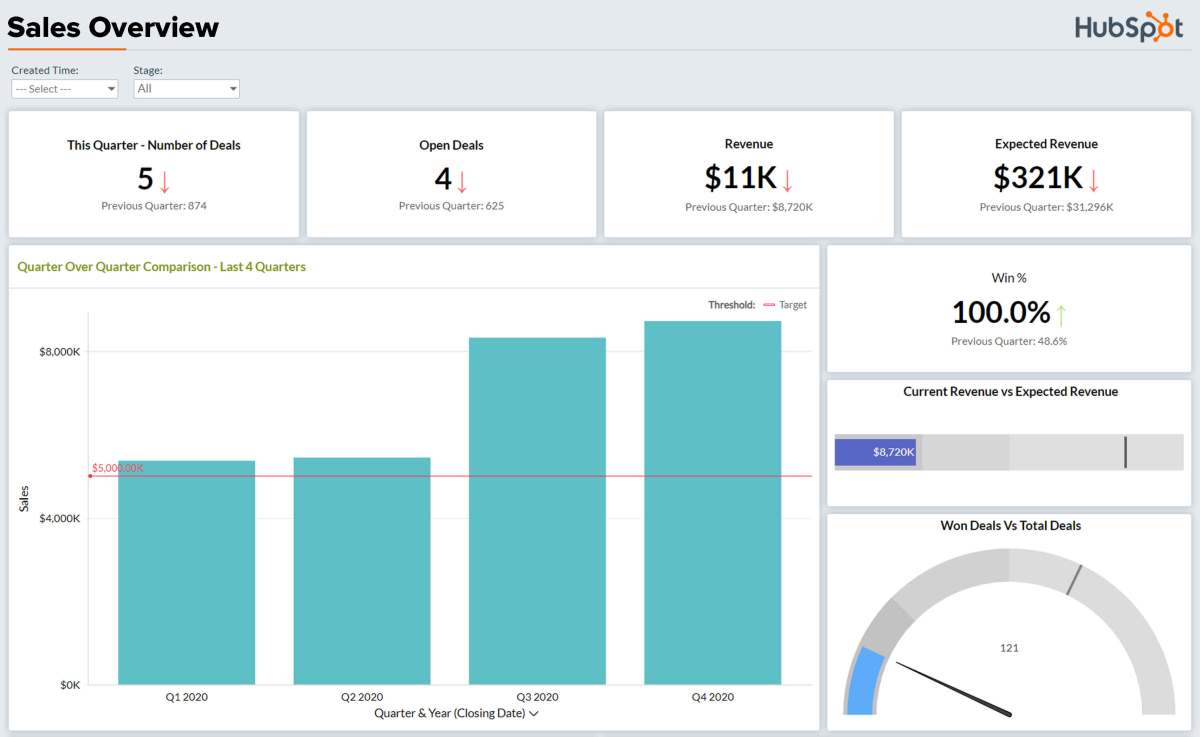
When evaluating the Salesforce CRM cost, it’s essential to compare it with alternatives like HubSpot, Zoho CRM, and Microsoft Dynamics 365. Each has its own pricing model and value proposition.
HubSpot CRM: Free Tier vs. Feature Limitations
HubSpot offers a robust free CRM with contact management, email tracking, and basic automation. Paid tiers start at $45/month for the Starter plan.
- Free tier is generous for small teams
- Seamless integration with marketing tools
- Less complex than Salesforce
However, HubSpot lacks the depth of customization and scalability that Salesforce offers. For businesses planning rapid growth, the long-term Salesforce CRM cost may be justified by its flexibility.
Zoho CRM: Budget-Friendly but Limited
Zoho CRM starts at $14/user/month and offers excellent value for small businesses. It includes AI-powered insights, workflow automation, and multi-channel communication.
- Lower entry cost than Salesforce
- Strong automation and AI features
- Best for SMBs with simple processes
But Zoho’s ecosystem isn’t as mature as Salesforce’s. Integration with enterprise systems and advanced analytics often requires third-party tools, which can erode cost savings.
Microsoft Dynamics 365: Enterprise Alternative
Dynamics 365 starts at $65/user/month for Sales Professional and scales to $225 for Enterprise. It integrates seamlessly with Microsoft 365, making it ideal for organizations already in the Microsoft ecosystem.
- Tight Office 365 integration
- Strong ERP and CRM convergence
- Competitive pricing for Microsoft shops
While Dynamics 365 is powerful, it often requires additional customization to match Salesforce’s user experience. The total Salesforce CRM cost may be higher, but many users report better ROI due to faster adoption and richer features.
The Real Total Cost of Ownership (TCO) of Salesforce CRM
The total cost of ownership (TCO) goes beyond monthly subscriptions. It includes direct costs (licenses, apps), indirect costs (training, downtime), and opportunity costs (lost productivity during rollout).
Direct Costs: Licenses, Apps, and Add-Ons
Direct costs are the easiest to calculate. For a 50-user company on the Professional edition, the annual license cost is $48,000. Add $10,000 for Pardot and $5,000 for a CPQ tool, and you’re already at $63,000 per year.
- Annual license renewals
- Third-party app subscriptions
- Renewal of support contracts
These are predictable but can escalate quickly with business growth.
Indirect Costs: Training, Downtime, and Support
Training is often underestimated. A full rollout may require 20–40 hours of training per user. At an average employee cost of $50/hour, that’s $50,000 in lost productivity for 50 users.
- Onboarding time for new hires
- Downtime during system upgrades
- Internal IT support overhead
One study found that companies spend 30% more on indirect costs than on software licenses during the first year of CRM implementation.
Long-Term TCO Projections Over 3–5 Years
A 5-year TCO analysis reveals the true financial impact. Assuming 5% annual user growth and 10% price increases, a company starting with $70,000 in Year 1 could face $400,000+ in total costs by Year 5.
- Scaling user licenses
- Annual price increases (typically 5–8%)
- Periodic reimplementation or upgrades
“The biggest mistake companies make is budgeting for Year 1 only.” — CRM Implementation Consultant
Proactive planning and vendor negotiation can mitigate these increases, but they must be anticipated.
Strategies to Reduce Your Salesforce CRM Cost
While Salesforce is a premium product, there are proven ways to reduce your overall cost without sacrificing functionality.
Negotiate Your Contract and Get Discounts
Salesforce rarely offers discounts publicly, but enterprise deals are negotiable. Companies signing 3-year contracts often receive 10–20% off list price.
- Commit to multi-year agreements
- Leverage nonprofit or education discounts if eligible
- Bundle products (e.g., Sales Cloud + Service Cloud)
Nonprofits can get up to 80% off through the Salesforce Power of Us program. Always ask about available promotions.
Use Free Tools and Built-In Features
Salesforce includes many underutilized free features. Process Builder, Flow, and Reports & Dashboards can replace paid automation tools in many cases.
- Use Flow for workflow automation
- Leverage Einstein Analytics (included in some editions)
- Maximize AppExchange free apps
One company saved $12,000 annually by replacing a $1,000/month automation tool with Salesforce Flow.
Outsource Development and Admin Tasks
Hiring full-time Salesforce admins or developers in the U.S. can cost $100,000+ per year. Outsourcing to certified partners in lower-cost regions can reduce expenses by 50–70%.
- Use offshore consultants for routine maintenance
- Hire on-demand experts for major upgrades
- Train internal staff for basic admin tasks
Outsourcing doesn’t mean lower quality — many top Salesforce partners are globally distributed with 24/7 support.
Future Trends Affecting Salesforce CRM Cost
The CRM landscape is evolving rapidly. New technologies and pricing models will shape the future of Salesforce CRM cost.
AI and Automation: Cost Saver or Cost Driver?
Salesforce Einstein AI offers predictive lead scoring, email insights, and forecasting. While powerful, AI features are often add-ons with extra fees.
- Einstein Analytics starts at $75/user/month
- AI-driven automation reduces manual work
- Long-term ROI is positive, but upfront cost is high
As AI becomes standard, we may see it bundled into base editions, reducing per-feature costs.
Subscription Model Changes and Usage-Based Pricing
Salesforce has experimented with usage-based pricing for certain services, like API calls or data storage. This could shift costs from per-user to per-activity models.
- High-volume users may pay more
- Light users could save money
- Greater cost transparency but less predictability
Businesses will need to monitor usage closely to avoid bill shocks.
Impact of Cloud Consolidation and Integration Ecosystems
As companies consolidate their tech stacks, CRM platforms like Salesforce are becoming central hubs. This increases their value but also their cost.
- Deeper ERP and HRIS integrations
- Increased reliance on MuleSoft for APIs
- Higher total spend due to ecosystem lock-in
The trend toward all-in-one platforms may justify higher Salesforce CRM cost for enterprises seeking integration simplicity.
What is the starting price for Salesforce CRM?
The starting price for Salesforce CRM is $25 per user per month for the Essentials edition, billed annually. This edition is designed for small businesses and includes basic sales automation features.
Are there hidden costs with Salesforce CRM?
Yes, common hidden costs include implementation fees, customization, third-party app subscriptions, training, and ongoing admin support. These can double the initial subscription cost over time.
Can I reduce my Salesforce CRM cost?
Absolutely. You can reduce costs by negotiating contracts, using built-in automation tools like Flow, outsourcing development, and optimizing user licenses. Regular audits and planning can lead to significant savings.
Is Salesforce worth the cost compared to other CRMs?
For businesses that need scalability, deep customization, and a robust ecosystem, Salesforce is often worth the premium cost. However, smaller teams may find better value in alternatives like Zoho or HubSpot.
Does Salesforce offer discounts for nonprofits?
Yes, Salesforce offers up to 80% off for registered nonprofits through the Power of Us program. Eligible organizations can access discounted or free licenses and support.
Understanding the true Salesforce CRM cost requires looking beyond the monthly per-user price. From licensing and implementation to hidden fees and long-term TCO, every decision impacts your bottom line. By planning strategically, leveraging built-in tools, and negotiating wisely, you can maximize ROI and avoid budget overruns. Whether you’re a startup or an enterprise, a clear understanding of these costs empowers smarter investment in your CRM future.
Salesforce CRM cost – Salesforce CRM cost menjadi aspek penting yang dibahas di sini.
Further Reading:
